The intricate dance of cancer metastasis has long puzzled researchers, but a new frontier is emerging in our understanding of how physical forces guide this deadly process. At the heart of this revelation lies the concept of cellular force mapping – a sophisticated approach that deciphers the mechanical language tumors use to spread throughout the body. This isn't just about biochemistry anymore; it's about physics playing God with cellular fate.
Stress as a silent conductor of metastatic behavior is rewriting oncology textbooks. Tumors don't merely follow chemical gradients like mindless automatons – they actively probe, push, and reshape their environments through mechanical forces. The extracellular matrix, once considered passive scaffolding, now emerges as a dynamic information highway where cells exchange force signals like whispered secrets. These mechanical conversations determine whether cancer cells remain dormant or embark on their destructive journey.
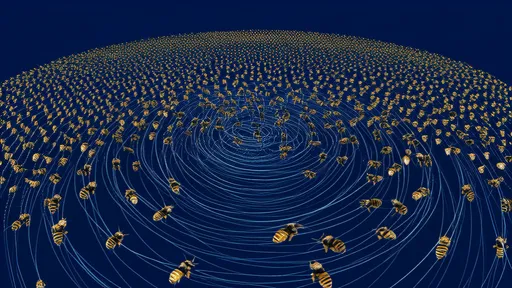
Advanced techniques like traction force microscopy and atomic force microscopy are revealing startling patterns in how tumors engineer their escape. Cancer cells appear to orchestrate collective migration through carefully balanced tension networks, creating what researchers call "mechanical cooperativity." This discovery shatters the previous paradigm of individual cells breaking away randomly, instead painting a picture of highly organized mechanical teamwork.
The real breakthrough comes from mapping these force patterns across different cancer types. Certain tumors appear to develop signature "force fingerprints" that predict their metastatic potential. Pancreatic cancer cells, for instance, exert significantly higher directional forces than their less aggressive counterparts. These mechanical signatures might eventually serve as diagnostic markers, allowing clinicians to assess metastasis risk through biomechanical profiling rather than invasive biopsies.
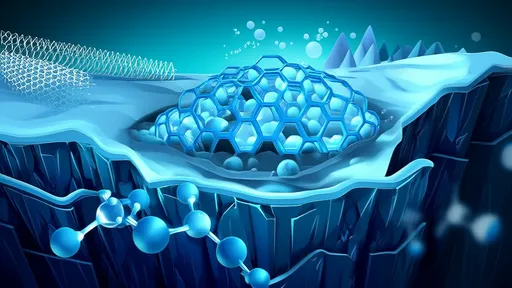
YAP/TAZ signaling has emerged as the Rosetta Stone translating mechanical cues into genetic programs. These transcriptional co-activators don't just respond to chemical signals – they're exquisitely sensitive to the physical distortions of the cell nucleus caused by environmental stresses. When activated through mechanical strain, they initiate genetic cascades that essentially tell the cell: "It's time to move." This explains why stiffening tissues often precede metastasis – they're creating the mechanical conditions that trigger migratory behavior at the molecular level.
Perhaps most intriguing is the discovery of mechanical memory in circulating tumor cells. Like soldiers trained in harsh conditions, these cells retain the ability to sense and respond to mechanical cues long after leaving the primary tumor. This explains their remarkable adaptability to diverse microenvironments throughout the body, from the soft brain parenchyma to the rigid bone matrix. The implications for therapeutic intervention are profound – we might need to "re-educate" this mechanical memory to prevent metastatic seeding.
The clinical translation of these findings is already underway. Several biotech firms are developing drugs targeting mechanotransduction pathways, essentially trying to "deafen" cancer cells to mechanical signals. Others are engineering smart biomaterials that can mechanically confuse circulating tumor cells, disrupting their navigation systems. A particularly innovative approach involves magnetic nanoparticles that apply precisely calibrated forces to trigger beneficial genetic responses in surrounding tissues.
This mechanical perspective doesn't just apply to metastasis – it's revolutionizing our understanding of the entire cancer life cycle. From the initial transformation of normal cells to the final colonization of distant organs, physical forces participate in every decision point. The old dichotomy between chemical and physical regulation is collapsing, revealing an integrated signaling network where biochemistry and biomechanics constantly inform each other.
As research progresses, we're beginning to see metastasis not as a biological accident, but as a carefully choreographed physical process. The cancer cell isn't just reacting to its environment – it's actively remodeling and responding to it through an elaborate language of pushes and pulls. This paradigm shift promises not just better diagnostics, but entirely new therapeutic strategies that address the physical dimension of cancer progression. The days of viewing metastasis solely through a biochemical lens are numbered.
By /Aug 14, 2025
By /Aug 14, 2025
By /Aug 14, 2025
By /Aug 14, 2025

By /Aug 14, 2025

By /Aug 14, 2025

By /Aug 14, 2025

By /Aug 14, 2025

By /Aug 14, 2025
By /Aug 14, 2025
By /Aug 14, 2025

By /Aug 14, 2025
By /Aug 14, 2025

By /Aug 14, 2025

By /Aug 14, 2025
By /Aug 14, 2025

By /Aug 14, 2025

By /Aug 14, 2025
By /Aug 14, 2025

By /Aug 14, 2025
